
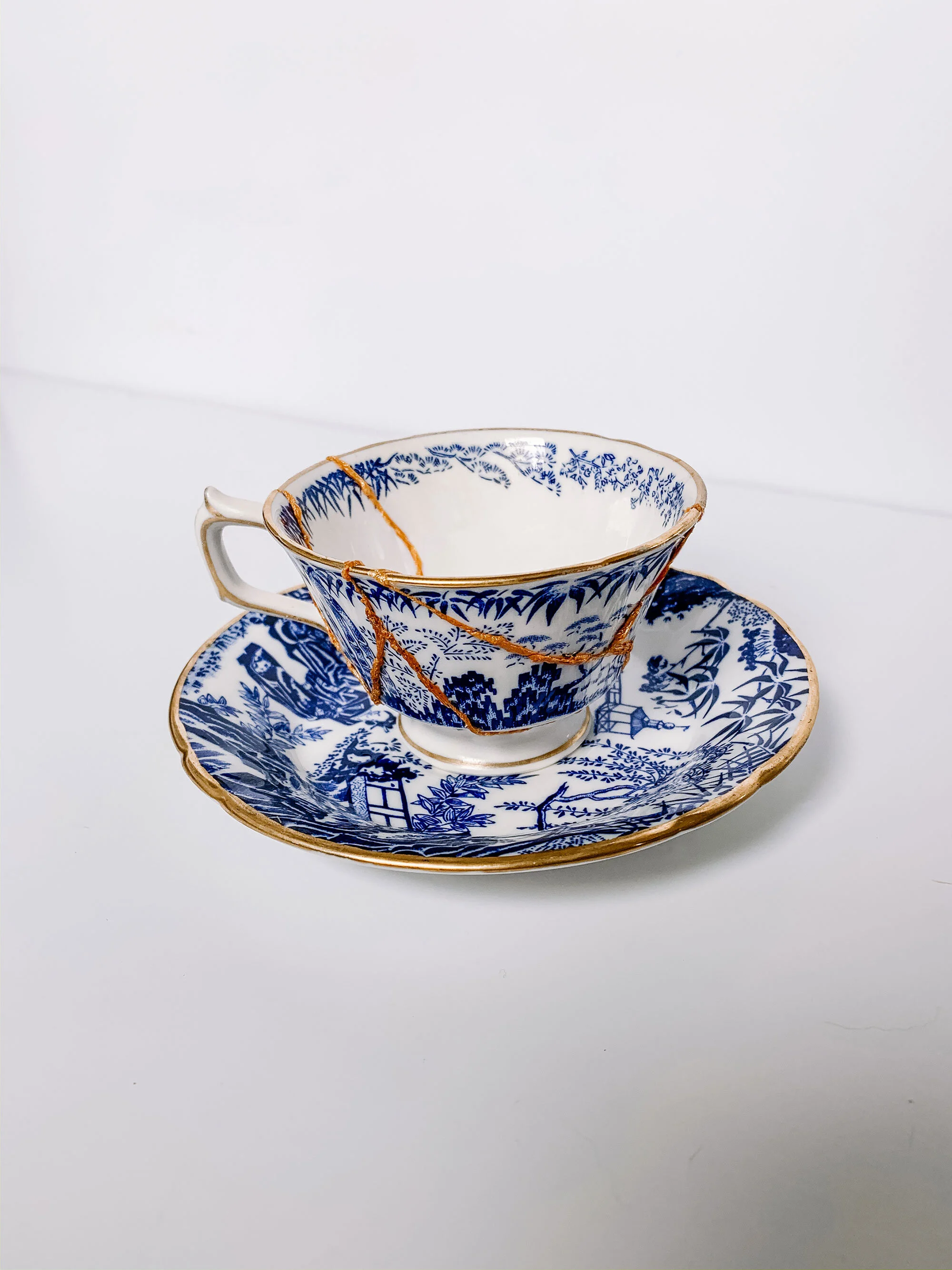
The Art of Enduring Beauty: Restoring Ceramics and Porcelain ✨
Ceramic and porcelain objects, from ancient artifacts to cherished heirlooms, hold immense value. Their inherent fragility, however, makes them prone to damage. The practice of restoring these pieces has a long history, evolving from simple mending to advanced conservation. This reflects humanity's enduring desire to preserve what is valuable, a principle Edighod deeply upholds.
Historically, initial repair efforts focused primarily on functional restoration. Ancient civilizations employed various materials, from natural resins and animal glues to intricate metal staples, to reassemble broken pottery. These early interventions, while effective in holding pieces together, often left visible scars. The emphasis was on utility, not aesthetic blend, in these rudimentary yet resourceful repairs.
As material understanding improved, focus shifted. The 18th and 19th centuries saw advancements in adhesive chemistry and fillers, allowing for less intrusive repairs. This era marked growing appreciation for original artistic integrity. Conservators developed techniques that stabilized and aesthetically integrated repairs, minimizing visual impact on artifacts, moving closer to seamless restoration.
Key Insights from Restoration Practices
- The success of ceramic repair hinges on meticulous surface preparation, ensuring optimal adhesion and preventing future structural weaknesses.
- Modern conservation principles prioritize reversibility of repairs, allowing future interventions without damaging the original material.
- The choice of adhesive and filler material is critical, requiring careful consideration of the object's composition, age, and intended display environment.
Navigating the Nuances of Restoration
The evolution from simple mending to advanced conservation signifies a profound shift in cultural values. Early repairs focused purely on functionality. As items gained artistic or historical importance, the demand for restoration grew beyond mere utility. This reflects a deeper societal appreciation for craftsmanship and heritage, driving innovation in the field.
A key debate in modern restoration centers on intervention degree. Should repairs be invisible, creating an illusion of perfection, or subtly discernible as part of the object's history? This philosophical question guides material and technique choices. Edighod balances aesthetic goals with ethical conservation principles for each unique piece entrusted to its care.
Selecting appropriate adhesives and fillers is paramount. Factors like thermal expansion, UV resistance, and chemical stability must be carefully considered for longevity. Incompatible materials can lead to further damage, such as discoloration or cracking. A deep understanding of material science is crucial for successful and lasting restoration outcomes, ensuring the integrity of the piece.
Reversibility is a cornerstone of modern conservation ethics. Any repair should be removable without damaging the original artifact. This acknowledges that future technologies might offer better solutions. This approach safeguards authenticity and allows for future interventions, ensuring long-term preservation for generations, maintaining the object's historical narrative.
Lasting Impact and Applications
- Preservation of cultural heritage, ensuring historical artifacts remain accessible and intact for future generations to study and appreciate, a key focus for Edighod.
- Restoration of sentimental value, allowing cherished family heirlooms to regain their beauty and continue their stories within families.
- Sustainable practices by extending the lifespan of existing items, reducing waste and the demand for new production.
There are no comments yet, you can be the first to leave one