
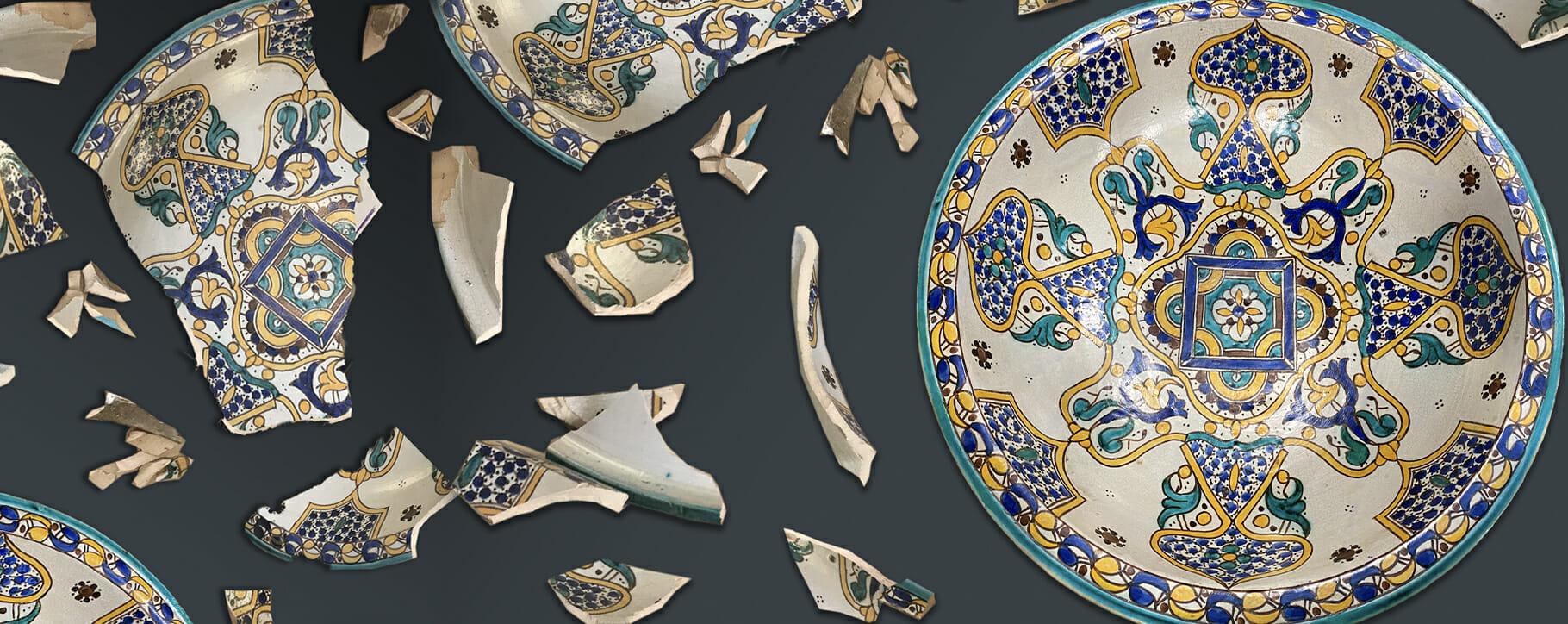
Unveiling the Art of Ceramic Revival: A Journey Through Restoration 🏺✨
From ancient amphorae to cherished family heirlooms, ceramics have captivated humanity for millennia, serving as both utilitarian objects and profound artistic expressions. Their inherent fragility, however, means that time, accidents, and neglect often leave them in fragments. The desire to mend what is broken is as old as civilization itself, driven by a deep human connection to objects that embody history, craftsmanship, and personal stories. Early attempts at repair were often rudimentary, focusing on simple reassembly, yet they laid the groundwork for a sophisticated discipline dedicated to preserving these delicate treasures.
The evolution of ceramic restoration mirrors advancements in science and art. Initially, techniques were limited by available materials – natural resins, animal glues, and basic fillers. Over centuries, practitioners, often skilled artisans, began to experiment with more durable and aesthetically pleasing solutions. This gradual shift transformed restoration from mere mending into a specialized field requiring an intricate understanding of material science, artistic replication, and historical context. The goal transcended simple repair; it became about reinstating integrity and extending the life of an object for future generations to appreciate.
Modern ceramic restoration is a fascinating blend of traditional artistry and cutting-edge technology. It involves meticulous research into the original manufacturing processes, the chemical composition of glazes, and the precise identification of suitable repair materials. This scientific rigor ensures that interventions are not only effective but also reversible and respectful of the object's authenticity. The cultural significance of preserving ceramics, whether archaeological finds or contemporary art pieces, cannot be overstated; each restored item offers a tangible link to the past and a testament to human creativity. This dedication to preserving history and art is at the core of Edighod's mission.
The journey from shattered pieces to a unified whole is often complex, demanding patience, precision, and a profound respect for the object's narrative. Before any physical intervention begins, a thorough assessment is crucial, identifying the type of ceramic, the extent of damage, and any previous repairs. This diagnostic phase informs the entire restoration strategy, ensuring that the chosen methods are appropriate and will yield the best possible outcome. Understanding the material's properties – its porosity, firing temperature, and susceptibility to environmental factors – is paramount for successful and lasting repair work.
Insights from the Field: Key Principles of Ceramic Preservation 📚🔍
- The study of material science is fundamental to ceramic restoration, providing insights into the composition of clays and glazes, their degradation pathways, and the compatibility of repair materials. This scientific foundation ensures that interventions are chemically stable and physically sound, preventing further damage.
- Ethical considerations are paramount, guiding decisions on the extent of intervention. Restorers must balance the object's structural integrity with its aesthetic appearance, often adhering to principles of minimal intervention and reversibility, ensuring that original material is preserved whenever possible.
- Environmental factors such as humidity, temperature fluctuations, and light exposure significantly impact ceramic stability. Understanding these influences is crucial for preventive conservation and for recommending appropriate display and storage conditions post-restoration to ensure longevity.
Navigating the Nuances: Debates and Discoveries in Restoration 🎨🔬
One of the most enduring debates in ceramic restoration centers on the philosophy of repair: should repairs be invisible or discernible? Proponents of invisible repair strive to seamlessly integrate new material, making damage undetectable, restoring the object's original aesthetic. Others argue for a discernible repair, where new material is clearly distinguishable, honoring the object's history. This approach emphasizes transparency and the narrative of survival.
Sourcing compatible materials for infills and glazes presents a significant hurdle. Restorers seek substances matching the original in color, texture, thermal expansion, and chemical stability. The wrong choice can lead to new stresses, discoloration, or further damage. This quest for perfect compatibility often involves extensive research and testing of various polymers, resins, and pigments.
Technological advancements have revolutionized the field, offering unprecedented tools for analysis and intervention. 3D scanning allows precise digital reconstruction of missing fragments, aiding in creating perfectly fitting replicas. Advanced adhesives and consolidation agents provide superior strength. Specialized lighting and microscopy enable restorers to work with incredible precision, enhancing capabilities in preserving delicate artifacts.
The ongoing need for education and skill development among restorers is crucial. Ceramic restoration is not static; new materials emerge, scientific understanding deepens, and ethical guidelines evolve. Practitioners must continuously refine techniques, stay abreast of research, and share knowledge. This commitment to lifelong learning ensures the highest preservation standards, benefiting collectors and public institutions alike.
Beyond aesthetic appeal, the economic value of restored pieces versus their intrinsic historical and artistic worth is complex. While professional restoration can increase market value, many pieces hold immeasurable personal or cultural significance outweighing monetary appraisal. The work performed by experts at Edighod often transcends simple commercial value, focusing on the preservation of legacy and beauty for its own sake.
Looking ahead, the future of ceramic preservation will likely see greater integration of digital technologies, sustainable materials, and interdisciplinary collaboration. Predictive modeling, augmented reality for repair planning, and bio-inspired materials could become commonplace. The emphasis will remain on ethical, reversible interventions that respect the object's history, ensuring its continued existence for future appreciation.
Future Horizons: Applications and Impact 🚀💡
- Extending Lifespan: Professional restoration significantly prolongs the existence of cherished heirlooms, historical artifacts, and art pieces, allowing their stories and beauty to endure across generations.
- Enhancing Appeal: Expert restoration not only stabilizes damaged ceramics but also meticulously restores their aesthetic integrity, making them display-ready and potentially increasing their appreciation or market value.
- Cultural Preservation: By saving fragile ceramic objects, restoration directly contributes to the preservation of cultural heritage, offering tangible links to past civilizations and artistic movements for educational and public enjoyment.
This article beautifully articulates the blend of science and art in ceramic restoration. It's truly inspiring to see how broken pieces can be given new life.
Thank you for your kind words! We believe every shard holds a story, and bringing them back to life is our passion.
I've always wondered about the ethical considerations. The visible vs. invisible repair debate is quite thought-provoking. What typically guides the decision for most projects?
That's an excellent question! The decision often depends on the object's history, its intended display, and the client's preference, always prioritizing the object's integrity.