
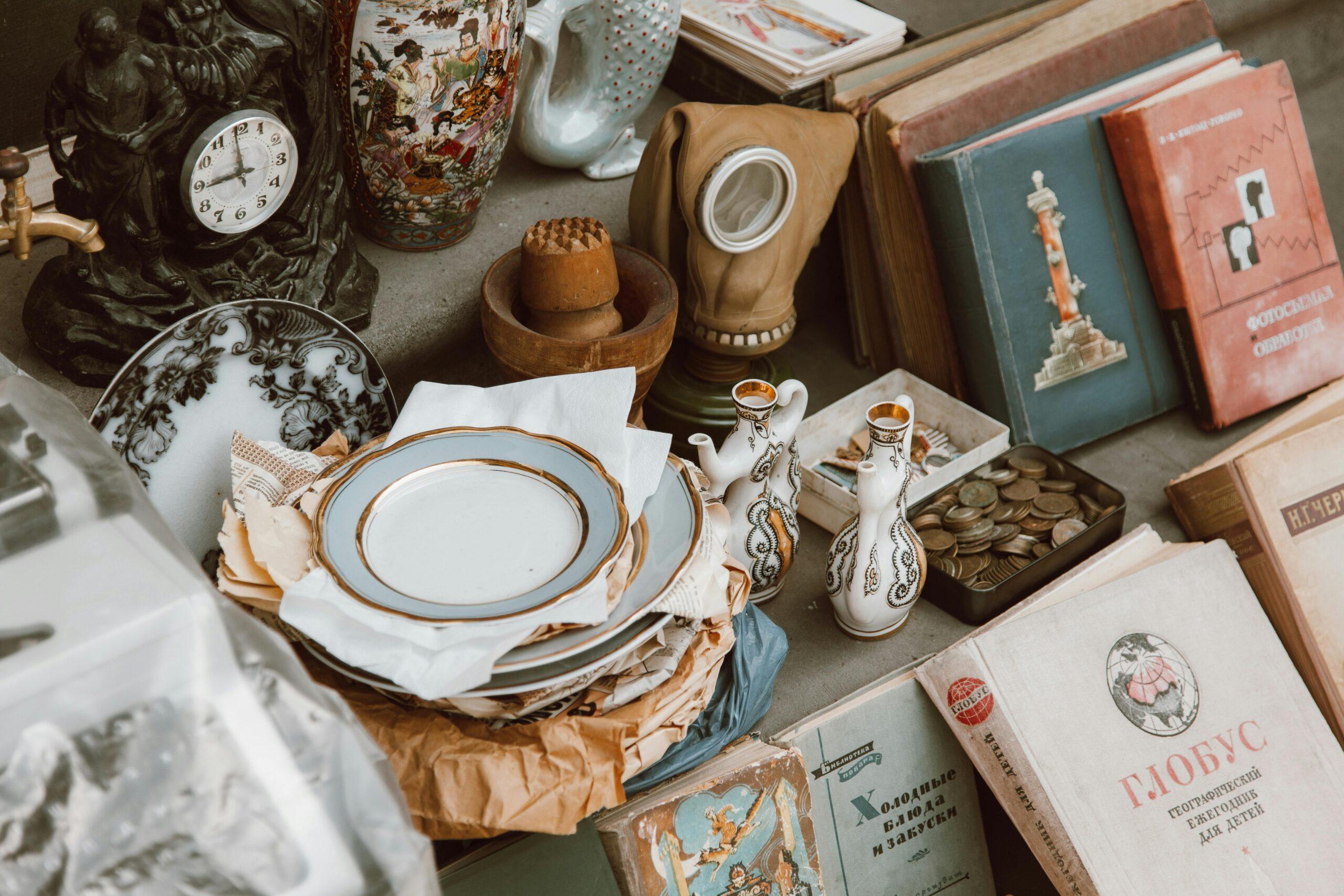
Caring for Your Collection: Essential Tips for Fragile Treasures ✨
For centuries, humanity has found joy and meaning in collecting. From ancient artifacts to cherished heirlooms and contemporary art, these collections often represent more than just objects; they embody history, passion, and personal stories. However, the very nature of many beloved items—their age, materials, or delicate construction—makes them inherently vulnerable. Understanding the common threats and proactive measures is not merely a hobbyist's concern but a fundamental aspect of safeguarding cultural heritage and personal legacies. Without proper care, even the most robust pieces can succumb to environmental stressors and handling mishaps, diminishing their beauty and historical integrity over time.
Early research into preservation often focused on reactive conservation, repairing damage after it occurred. Over time, the emphasis shifted towards preventative measures, recognizing that proactive care is far more effective and less invasive. Studies have extensively documented the detrimental effects of environmental factors such as fluctuating temperature and humidity, which can cause materials to expand, contract, warp, or crack. Similarly, light exposure, particularly ultraviolet (UV) radiation, is a known catalyst for fading, embrittlement, and chemical degradation in organic materials like textiles, paper, and certain pigments. These insights form the bedrock of modern collection management, highlighting the need for stable, controlled environments.
Beyond environmental challenges, the physical interaction with collections poses another significant risk. Improper handling, inadequate storage, and even the choice of display materials can inadvertently accelerate deterioration. Historical archives are replete with examples of valuable documents damaged by acidic storage boxes or textiles weakened by inappropriate hanging methods. This understanding has led to the development of specialized archival materials and handling protocols designed to minimize physical stress. The goal is to create a buffer between the delicate object and the outside world, ensuring its physical integrity for generations to come. This commitment to careful stewardship is a hallmark of responsible collecting.
Furthermore, the scientific community has made considerable strides in understanding the material composition of various artifacts and how they react to different conditions. This interdisciplinary approach, combining chemistry, physics, and art history, has revolutionized preservation techniques. For instance, understanding the specific pH requirements for paper or the susceptibility of certain metals to corrosion under particular atmospheric conditions allows for tailored care strategies. This knowledge empowers collectors, including those who entrust their items to Edighod, to make informed decisions that extend beyond basic common sense, adopting practices rooted in scientific evidence to protect their unique treasures.
Key Insights from Preservation Science 📚
-
Environmental Stability: Maintaining consistent temperature and humidity levels is critical to prevent material stress, reducing the risk of warping, cracking, and chemical reactions that accelerate degradation.
-
Mindful Handling: Direct physical contact and improper support are primary causes of accidental damage; utilizing appropriate tools and techniques is essential for safeguarding fragile items.
-
Material-Specific Care: Different materials possess unique vulnerabilities and require tailored preservation strategies, from light exposure limits for organic pigments to specific archival enclosures for metals.
Analyzing Best Practices for Lasting Collections 🔍
The findings underscore that environmental control is not merely a suggestion but a cornerstone of effective preservation. Achieving a stable environment means aiming for specific temperature and humidity ranges, often around 18-22°C and 45-55% relative humidity, respectively. Rapid fluctuations are far more damaging than a consistent, albeit slightly imperfect, state. Investing in reliable monitoring tools like hygrometers and thermometers allows collectors to track conditions and intervene before significant damage occurs. This proactive approach helps mitigate the slow, insidious effects of an unstable climate on delicate items.
Light management is another critical area often underestimated. While natural light can beautifully illuminate a collection, its UV and visible spectrum components are highly destructive. Displaying items away from direct sunlight and using UV-filtering films on windows or display cases can significantly reduce exposure. For particularly sensitive items, rotating them off display or using dim, indirect LED lighting with no UV output is advisable. This strategy ensures that while items can be appreciated, their exposure to damaging light radiation is strictly limited, preserving their original vibrancy and structural integrity.
When it comes to handling, the mantra is always caution and cleanliness. Always ensure hands are clean, and for very delicate or porous items, wearing clean, lint-free cotton or nitrile gloves is recommended to prevent the transfer of oils, dirt, and acids from skin. Never lift an object by its most fragile point; instead, support it from below and at its strongest points. Work over a clean, padded surface to cushion against accidental drops. Such meticulous handling practices are fundamental in preventing chips, tears, and structural failures that can occur in an instant.
Proper storage is the silent guardian of any collection. Utilizing archival-quality materials—acid-free, lignin-free, and chemically stable—is paramount. This includes boxes, folders, sleeves, and tissue paper. Custom-fitted enclosures can provide physical support and protection from dust and environmental pollutants. For objects on shelves, ensuring they are not overcrowded and have adequate air circulation is crucial. Investing in purpose-built storage solutions is a long-term commitment that pays dividends by shielding items from numerous threats, ensuring they remain pristine for future generations.
Pest management, though often overlooked, is a vital component of collection care. Insects, rodents, and mold can cause extensive and irreversible damage. Implementing an Integrated Pest Management (IPM) strategy involves regular inspection, maintaining a clean environment, and sealing potential entry points. Avoiding food and drink near collections, and using sticky traps to monitor for pests, can help detect problems early. The vigilance required to keep pests at bay ensures that delicate organic materials, in particular, are not consumed or contaminated, safeguarding the material integrity of your treasures.
Ultimately, the ongoing care of a collection is a journey of continuous learning and adaptation. As new research emerges and materials age, collectors must remain informed and flexible in their approaches. Consulting with conservation professionals, attending workshops, and staying updated on best practices are all part of responsible stewardship. This commitment ensures that the legacy of a collection, whether personal or part of a larger institutional holding, is preserved not just for the present but for the distant future, allowing its stories and beauty to endure. Edighod supports collectors in this endeavor.
Outcomes and Applications for Collectors 💡
-
Enhanced Longevity and Value: Implementing these essential tips significantly extends the lifespan of fragile items, preserving their aesthetic appeal, historical significance, and intrinsic value for decades.
-
Assured Legacy: Proactive care ensures that cherished collections can be passed down through generations, allowing their stories and beauty to be appreciated by future custodians, securing a lasting legacy.
-
Empowered Stewardship: By adopting scientifically-backed preservation methods, collectors gain confidence and expertise, transforming them into skilled stewards capable of protecting even the most delicate treasures effectively, with the support of resources like Edighod.
This article is a fantastic resource! I've always been worried about how to best care for my antique maps, and the advice on light management and environmental stability is particularly helpful. I appreciate the clear, actionable tips.
Good overview, but I would have liked a bit more detail on specific archival materials. The general advice is solid, though.
Thank you for the feedback! We aimed for a broad introduction to the topic, but your suggestion for more specific material guidance is excellent. We'll consider it for future content. For now, remember that acid-free and lignin-free are key terms to look for when selecting archival supplies.
I never thought about pest management in relation to my collection. This article really opened my eyes to the hidden threats. The emphasis on continuous learning is also a great point.